Cultural perceptions of gambling How society shapes the odds
The Historical Context of Gambling
Gambling has a rich history that dates back thousands of years, finding roots in ancient civilizations such as the Romans and Chinese. In these societies, gambling was not merely a pastime but also a way to connect with culture and community. These early forms of gambling often reflected the societal norms of their time, showing how deeply ingrained the concept of luck and fate was in human life. This historical context helps us understand how perceptions of gambling evolved and how they continue to influence present-day attitudes.
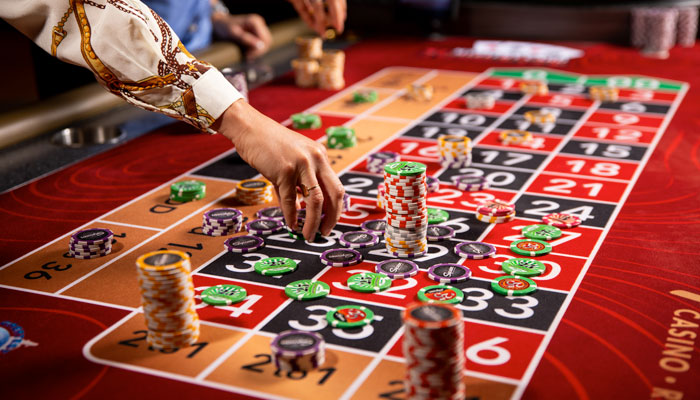
For instance, in ancient Rome, gambling was embraced among the elite, where dice games were commonplace during social gatherings. However, such practices were often viewed with disdain by religious leaders who saw it as a moral failing. This dichotomy—celebration versus condemnation—illustrates how societal values impact perceptions of gambling. These historical narratives continue to inform modern debates on gambling, suggesting that culture plays a significant role in how society shapes the odds. https://mrwin9-au.com
Over the centuries, gambling has shifted from a communal activity to a more individual-focused endeavor, particularly with the advent of technology. The rise of online gambling platforms has altered the landscape, making it accessible to a broader audience. However, this shift has also led to various cultural concerns, such as addiction and financial repercussions, which society grapples with as it attempts to balance entertainment with responsibility.
The Influence of Cultural Norms
Cultural norms significantly influence how gambling is perceived across different societies. In some cultures, gambling is viewed as an integral part of tradition, celebrated during festivals and communal gatherings. For instance, in many Indigenous cultures, gambling is often tied to rituals and serves as a form of storytelling, enhancing community bonds. This acceptance demonstrates how cultural practices can frame gambling as a positive force within society.
In contrast, other societies regard gambling as taboo, often associating it with moral decline and social issues. For example, in many conservative religious communities, gambling is seen as sinful, leading to stigmatization of those who partake in it. This viewpoint can create a chasm between different societal groups, highlighting how varying cultural beliefs shape gambling perceptions and regulations. As a result, gambling becomes a reflection of cultural identity, varying widely based on local values.
Furthermore, globalization has led to increased interactions between cultures, resulting in blended perceptions of gambling. In places where gambling was once frowned upon, such as the United States and parts of Europe, legislative changes have allowed for a more normalized acceptance of gambling. This evolving landscape prompts questions about the ethical implications and societal responsibilities that come with such shifts. As culture evolves, so do the societal perceptions of what gambling represents.
The Role of Skill and Chance
The debate between skill and chance in gambling has long fascinated society, particularly as technology continues to advance. Many gambling games, such as poker or blackjack, require a degree of skill, which can influence perceptions of legitimacy. In cultures where skill is highly valued, these games are often seen as a legitimate form of competition rather than mere gambling. This perception elevates the status of skilled players, who are celebrated for their expertise.
On the other hand, games of pure chance, like slots or roulette, evoke a different societal reaction. These games are frequently labeled as purely recreational, with less respect afforded to those who engage in them. The perception of luck as a dominant force may lead to the idea that players are merely victims of fate, reducing the potential for personal accountability. This distinction can significantly shape how individuals view their gambling experiences and the risks involved.
Moreover, the prevalence of skill-based games has led to discussions around gambling as a sport. Tournaments and competitive play have gained popularity, leading to greater societal acceptance. By framing gambling in the context of skill, societies may be more inclined to support and regulate it, further influencing how individuals engage with these activities. This evolving narrative shows that the balance between skill and chance is crucial in shaping cultural attitudes toward gambling.
Social Implications of Gambling
The social implications of gambling extend beyond individual experiences, affecting broader community dynamics. For many, gambling serves as a form of entertainment, a way to escape daily stressors. However, the dark side of gambling, including addiction and financial ruin, can have devastating effects on families and communities. These contrasting outcomes force society to confront the need for responsible gambling practices and the implementation of protective measures.
In many places, the rise of gambling addiction has sparked conversations around mental health awareness and support systems. Communities are increasingly recognizing the need to provide resources for those struggling with gambling-related issues. This social responsibility is crucial for mitigating the negative impact of gambling on individuals and society as a whole. By addressing these challenges, cultures can create a more balanced view of gambling that recognizes both its potential benefits and risks.
Furthermore, the gaming industry often plays a role in contributing to community development through taxes and sponsorships. Many regions invest gambling revenues into social programs, public health initiatives, and education. This interaction can create a paradox where society benefits economically while grappling with the social ramifications of gambling. Understanding these complexities is essential for fostering a more informed dialogue around gambling and its place within cultural frameworks.

Understanding Modern Gambling Platforms
With the rise of online casinos and gaming platforms, the cultural landscape surrounding gambling has dramatically evolved. Modern platforms offer an array of games, catering to diverse preferences and skill levels. This democratization of gambling allows individuals from various backgrounds to engage in gaming, reshaping societal perceptions of who can participate. The convenience of online access also blurs traditional boundaries, enabling more people to partake in gambling activities from their homes.
However, this accessibility raises questions about regulatory measures and responsible gambling practices. As more individuals become involved in online gaming, societies must grapple with issues such as addiction and financial hardship. Many online casinos, including reputable ones, are taking proactive steps to promote responsible gambling, offering tools and resources to help players manage their gaming habits. This awareness represents a cultural shift, emphasizing the importance of player well-being in the gaming industry.
Additionally, the competitive nature of online gaming has led to a burgeoning community of players who share strategies and experiences. This shift has fostered a sense of belonging among gamers, contributing to a new cultural narrative surrounding gambling. As societies embrace this new digital era of gaming, understanding the implications of online platforms on cultural perceptions will be vital for shaping future policies and practices.
Deixe um comentário